Struggling with loan payments can feel overwhelming, but finding the right repayment option can make all the difference for your financial peace of mind. Whether you want to lower your monthly bills, pay off your debt faster, or qualify for forgiveness, there’s a plan tailored to your needs.
You’ll discover the best loan repayment options that fit your unique situation. Keep reading to learn how you can take control of your loans and ease your financial burden starting today.
Federal Student Loan Plans
Standard Repayment requires fixed monthly payments. It lasts up to 10 years. Payments stay the same, making budgeting easier. Total interest paid is usually lower than other plans.
Graduated Repayment starts with lower payments. Payments rise every two years. This plan also lasts up to 10 years. Good for those expecting income growth.
Income-Driven Repayment Options set payments based on income and family size. They can lower monthly payments significantly. Payments adjust each year with income changes. These plans extend repayment up to 20-25 years.
Loan Forgiveness Programs cancel remaining debt after meeting certain criteria. Common programs include Public Service Loan Forgiveness (PSLF). Qualifying requires working in public service jobs and making on-time payments.

Private Loan Repayment
Negotiating with lenders can lower your monthly payments or interest rates. Explain your situation clearly and ask for better terms. Lenders may offer deferment or forbearance options to pause payments temporarily. This helps if you face financial hardship.
Refinancing opportunities allow you to replace old loans with a new one. This can reduce your interest rate or extend your payment period. Refinancing can save money but may lengthen the time to pay off the loan.
Flexible payment plans adjust your payments based on your income or financial status. Some lenders offer income-driven plans or allow you to skip payments during tough months. These plans help you stay on track without stress.
Debt Repayment Strategies
The Debt Avalanche Method targets the loan with the highest interest rate first. You pay the minimum on all loans but put extra money toward the highest interest loan. This method saves the most money on interest over time.
The Debt Snowball Method focuses on paying off the smallest loan first. You gain quick wins by clearing small debts fast, which can boost motivation to keep paying down loans.
The Bi-Weekly Payment Approach splits your monthly payment in half and pays every two weeks. This results in 26 payments a year, which is like making 13 full payments. It helps reduce the loan faster and saves interest.
Rounding Up Payments means paying a little extra each month, like rounding your payment to the next $10 or $20. Small extra payments can add up to big savings in interest and shorten loan time.
Tools And Resources
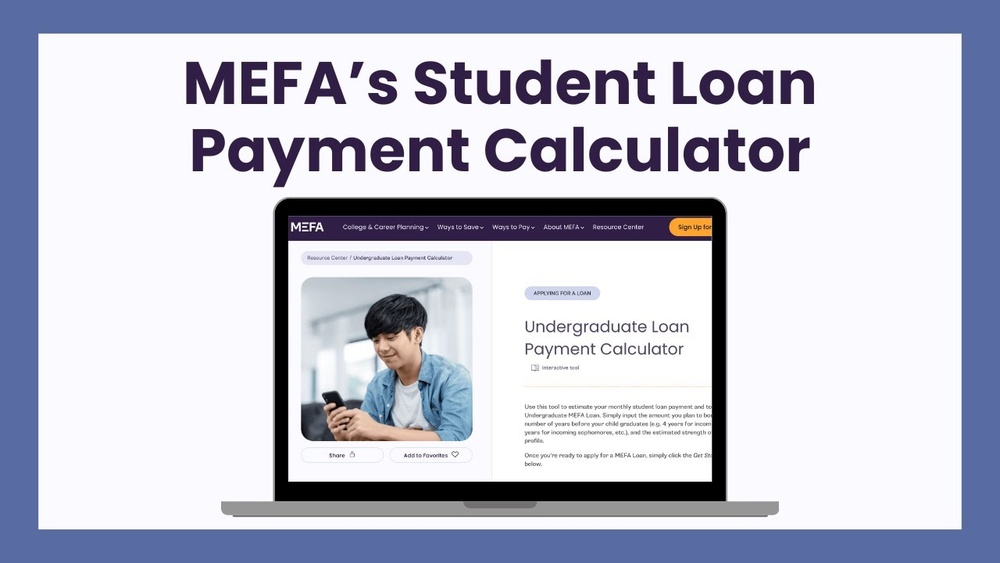
Loan calculators help estimate monthly payments and interest. They allow you to compare different repayment plans quickly. Using these tools can show how much you will pay over time.
The Federal Student Aid Estimator gives personalized information on federal loan options. It helps find plans based on income and family size. This tool is free and easy to use.
Contacting loan servicers is important for private loans. Servicers provide details on payment options and relief programs. They can answer questions and offer help with your specific loan.
Tips To Speed Up Repayment
Making extra payments reduces loan balance faster. Even small extra amounts help lower total interest paid over time. Apply extra funds directly to the principal to speed up repayment. Avoid using extra money for interest only.
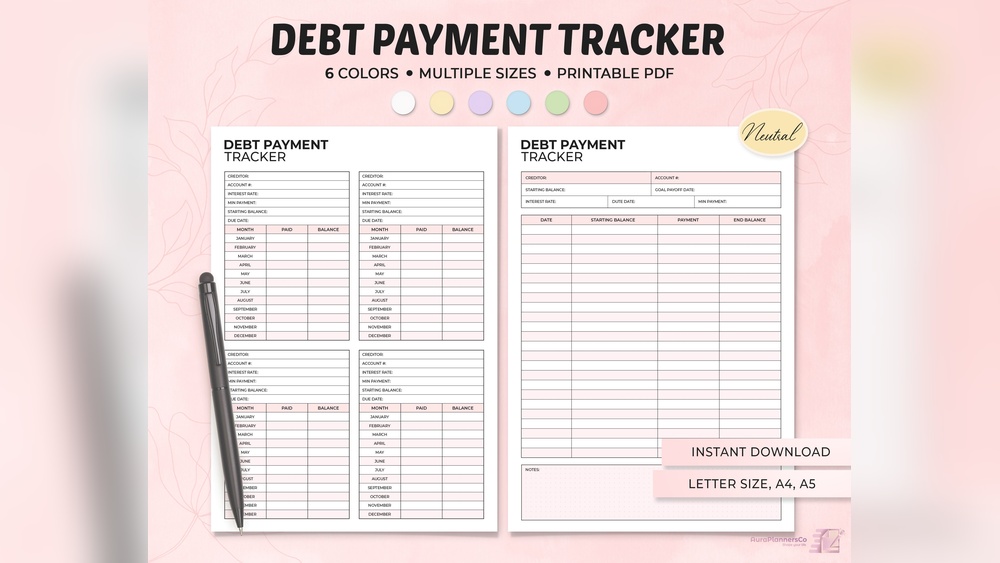
Budgeting is key to clear debt. Track income and expenses every month. Cut non-essential spending to free up money for loans. Set a realistic monthly amount for extra payments. Use apps or spreadsheets for easy tracking.
Avoid common pitfalls like skipping payments or making late payments. These increase interest and hurt credit scores. Don’t take new loans while repaying old ones. Stay disciplined and focused on your repayment plan.


Frequently Asked Questions
What Is The Smartest Way To Pay Off Loans?
Prioritize loans with the highest interest rates first, making extra payments there while paying minimums on others. Consider income-driven plans for affordability. Use a debt avalanche method to save on interest and pay off loans faster. Evaluate your options regularly and adjust payments as needed.
How Much Would A $70,000 Student Loan Be Monthly?
A $70,000 student loan’s monthly payment varies by interest rate and repayment term. Typically, payments range from $700 to $1,200. Income-driven plans may lower payments based on income. Use a loan calculator for precise estimates.
How To Pay Off A $30,000 Loan Faster?
Make extra payments on the highest-interest loan first. Cut expenses and increase income to boost payments. Use the debt avalanche method. Consider refinancing for lower rates. Track progress regularly to stay motivated.
Should I Choose Ibr Or Icr?
Choose IBR for lower monthly payments based on income. Select ICR if you have a higher income or want a simpler calculation. Compare plans using the Federal Student Aid Estimator to find what fits your financial goals best.
Conclusion
Choosing the right loan repayment option makes a big difference. Understand your loan type and financial goals clearly. Use tools like the Federal Student Aid Estimator to compare plans. Contact your loan servicer for personalized advice and options. Focus on paying off high-interest loans first to save money.
Adjust your plan as your income or situation changes. Staying informed helps you manage debt effectively and reduce stress. Take small steps consistently to reach financial freedom sooner.
Read More
- Loan Consolidation Planning Tool: Simplify Debt & Save Money Fast
- Home Loan Repayment Tracker: Simplify and Save Big Today
- Debt Payoff Ledger Template: Simplify Your Path to Freedom
- Mortgage Balance Payoff Plan: Smart Strategies to Save Fast
- Loan Management Ledger Tool: Streamline Your Loan Tracking Today
- Debt Snowball Calculator Online: Simplify Your Debt Payoff Today
- Installment Loan Payment Tracker: Simplify & Manage Your Debt Easily
- Business Loan Repayment Schedule: Master Your Finances Easily
- Commercial Finance Ledger: Master Your Business Finances Today
- Small Business Funding Tracker: Ultimate Guide to Boost Your Capital