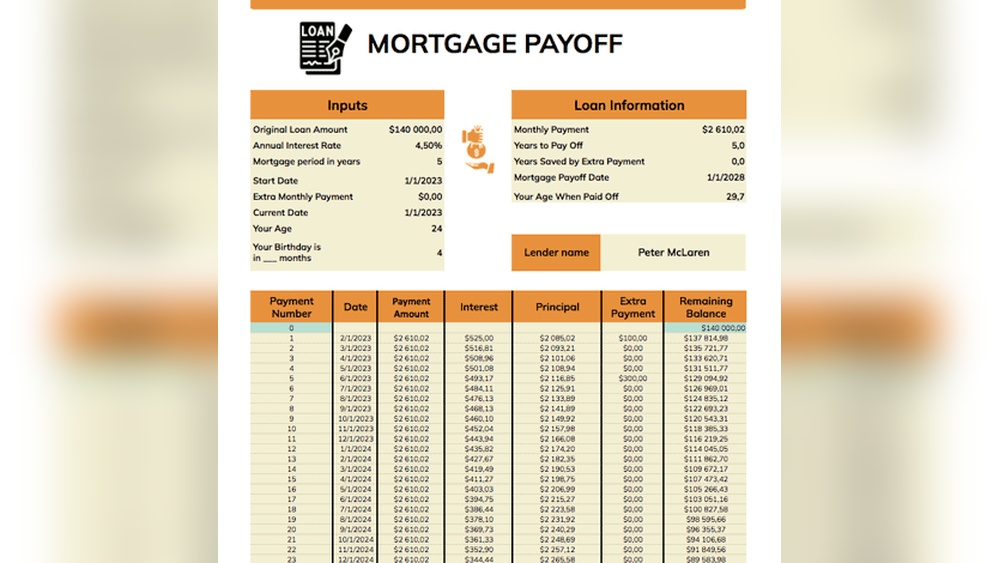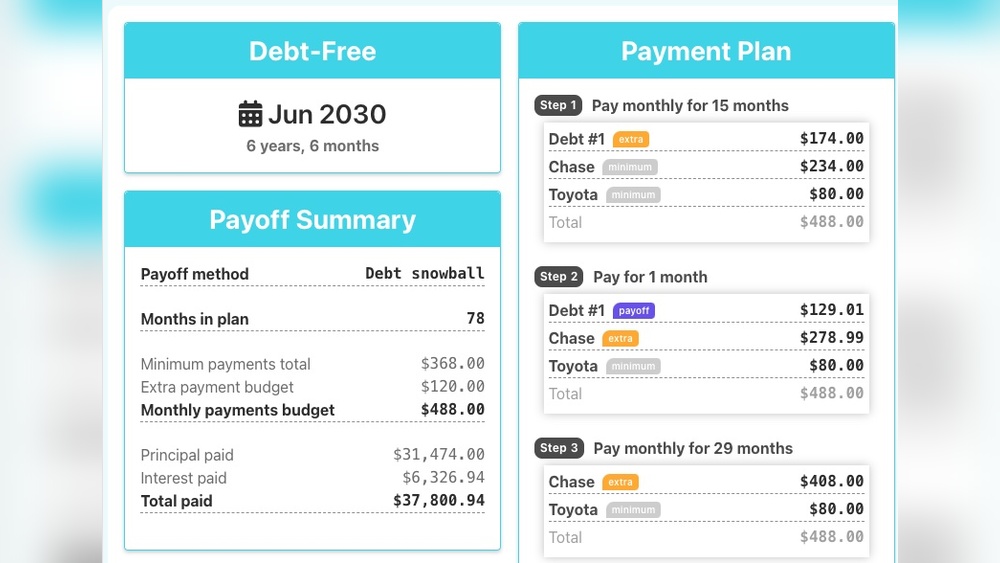
Managing loans can quickly become overwhelming without the right system in place. If you’re juggling multiple borrowers, repayments, and interest calculations, keeping everything organized might feel like a constant struggle.
That’s where a Loan Management Ledger Tool comes in. Imagine having one simple, reliable platform that tracks every detail of your loans—from the initial disbursement to the final payment—so you never miss a beat. You’ll discover how this tool can transform your loan management process, save you time, reduce errors, and help you stay in control of your financial operations.
Ready to simplify your loan tracking and boost your efficiency? Keep reading to find out how.
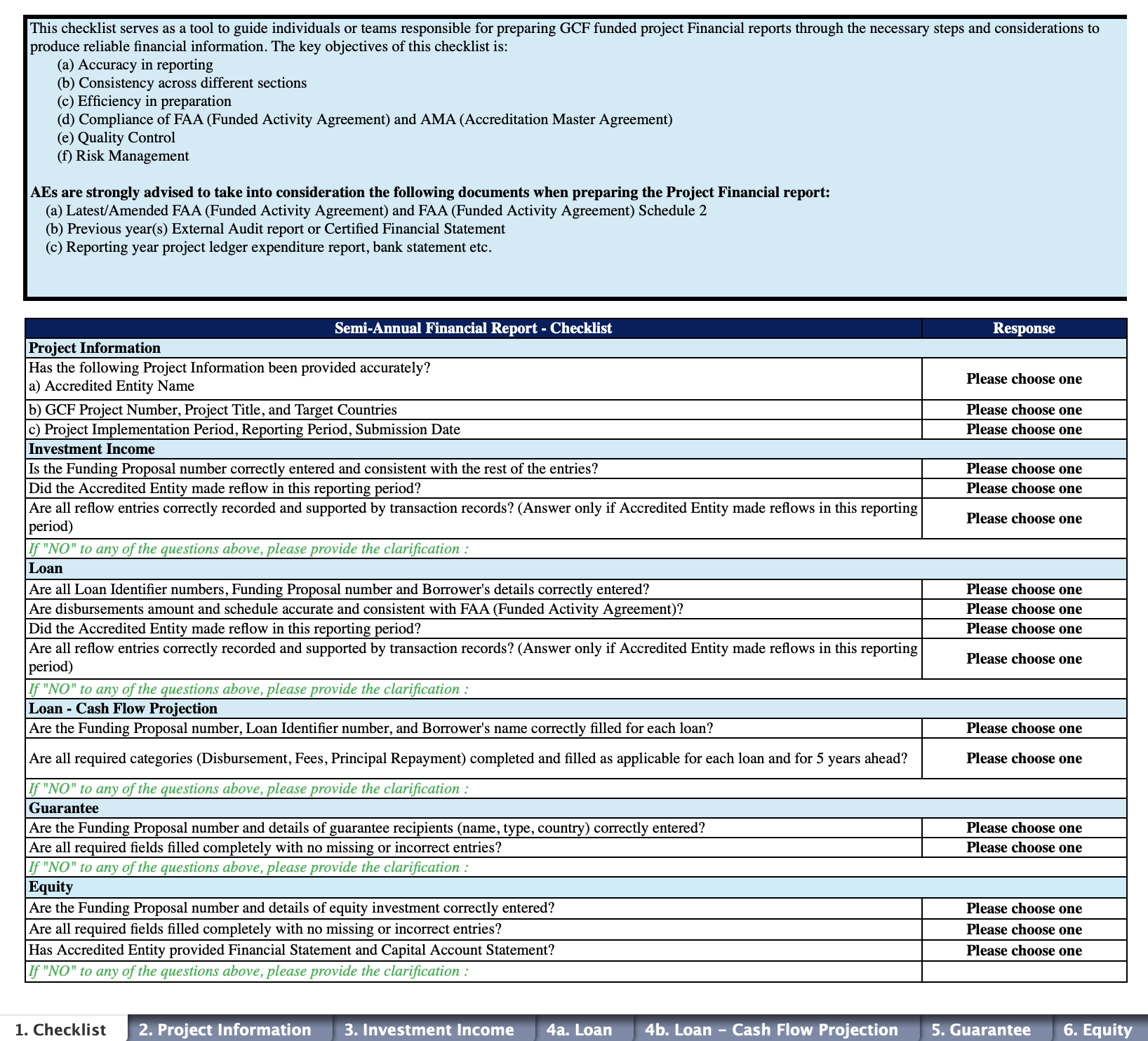
Loan Ledger Basics
A loan ledger is a record that tracks all loan transactions. It shows payments made, interest charged, and remaining balance. This helps lenders and borrowers see the loan status clearly.
Key features of loan ledgers include:
- Recording each payment date and amount
- Calculating interest accrued over time
- Showing loan balance after each transaction
- Tracking fees and charges related to the loan
- Providing a clear history of loan activity
This tool helps keep loan data organized and easy to understand.
Benefits Of Loan Management Tools
Loan management tools help keep track of all loans clearly. They reduce mistakes in loan records and make sure every detail is correct. This improves loan tracking accuracy and helps lenders know exactly what is owed.
These tools also make repayment monitoring easier. They send alerts for due dates and track payments automatically. This helps avoid missed payments and keeps loan accounts up to date.
Communicating with borrowers is simpler and faster using these tools. Messages about payments or changes can be sent quickly. This keeps borrowers informed and improves trust between lender and borrower.
Types Of Loan Management Software
Cloud-based solutions let users access loan software online. No installation needed. Updates happen automatically. These tools are good for flexibility and remote access. They often have lower upfront costs.
Enterprise loan servicing platforms serve large companies. They handle many loans and complex rules. These platforms offer custom features and strong security. They help with regulation compliance and detailed reporting.
Small business loan software fits small lenders or shops. It is easy to use and affordable. These tools manage loan tracking, payments, and customer data. They focus on simplicity and speed.
Comparing Loan Systems
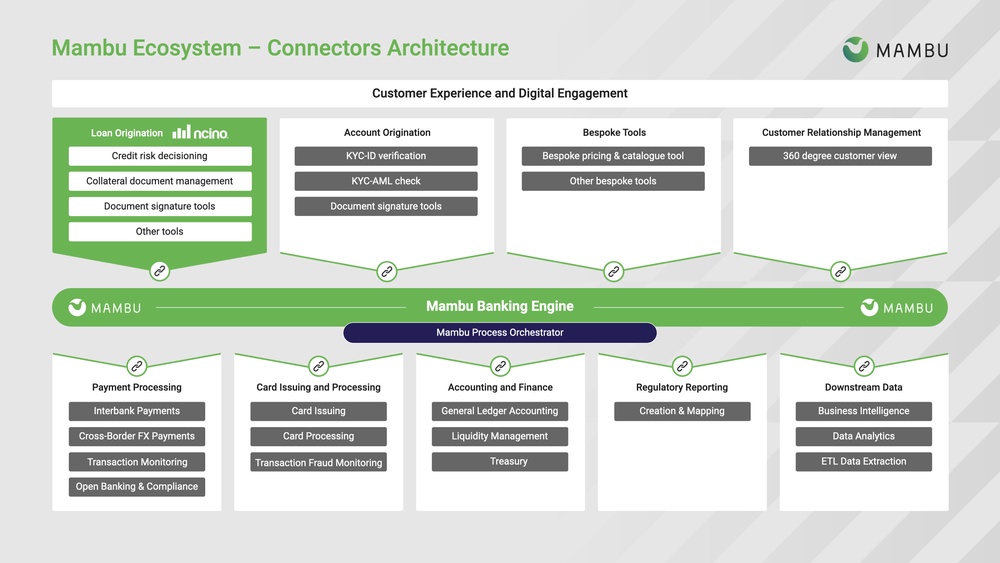
Loan Origination Systems (LOS) focus on starting loans. They help with credit checks and approvals. LOS captures new loan applications and speeds up onboarding.
Loan Management Systems (LMS) handle loans after approval. They track repayments, interest, and delinquencies. LMS ensures loans stay profitable and borrowers stay on track.
| Feature | Loan Origination System (LOS) | Loan Management System (LMS) |
|---|---|---|
| Purpose | Start and approve loans | Manage ongoing loans |
| Functions | Credit checks, approvals | Track payments, interest, delinquencies |
| Goal | Grow loan portfolio | Protect profitability |
General Ledger Integration links loan data with accounting. It helps keep financial records accurate and up to date. This integration reduces errors and saves time.
Sub-Ledger Functionality breaks down transactions in detail. It tracks every loan’s activity separately. This helps with better reporting and audit trails.
Choosing The Right Tool
Scalability means the tool can grow with your business needs. Choose software that allows easy customization to fit your unique loan types and terms. This helps avoid switching tools later.
User experience is key. The interface should be simple and clear so anyone can use it without training. Good software offers helpful support, like guides or customer service, to solve issues fast.
| Feature | Why It Matters |
|---|---|
| Scalability | Handles more loans as business grows |
| Customization | Fits your loan types and rules |
| User Experience | Easy to use for all team members |
| Support | Quick help when problems arise |
Implementation Tips
Data migration must be planned carefully to avoid errors. Clean and verify data before moving it to the new system. Use automated tools to speed up the process. Test the migration with a small dataset first to find any issues early.
Training and onboarding are crucial for smooth adoption. Provide easy-to-understand guides and hands-on sessions. Encourage questions and offer ongoing support. Help users feel confident with the new tool.
Maintaining data security protects sensitive information. Use strong passwords and encryption methods. Limit access to authorized personnel only. Regularly update software to fix security gaps and keep data safe.
Popular Loan Management Tools
Cloud-based platforms offer easy access and automatic updates. Popular options include LoanLedger and LoanPro. These tools help track payments, interest, and balances in real-time. They suit businesses that want simple online access and secure data storage.
For small businesses, software like Nortridge and GoldPoint Systems provide tailored features. These include loan servicing, payment tracking, and ledger integration. They help keep loans organized without complex setups.
| Type | Popular Tools | Key Features |
|---|---|---|
| Cloud-Based Platforms | LoanLedger, LoanPro | Real-time tracking, automatic updates, online access |
| Best for Small Businesses | Nortridge, GoldPoint Systems | Loan servicing, payment tracking, ledger integration |
| Free & Open Source | Various community tools | Customizable, no cost, requires setup effort |

Future Trends
Automation speeds up loan processing and reduces errors. It helps staff focus on important tasks, not paperwork. Many tools now use AI and Machine Learning. These technologies predict risks and help decide loan approvals faster. They learn from past data to improve decisions over time.
API-driven systems allow different software to connect and share data easily. This makes loan management more flexible and efficient. Banks and lenders can update information in real-time. Customers get quicker responses and better service.

Frequently Asked Questions
What Is A Loan Ledger?
A loan ledger records all loan transactions, including disbursements, payments, interest, and balances. It tracks loan status and repayment history.
What Is The Best Loan Management Software?
The best loan management software offers automation, easy loan tracking, payment processing, and compliance features. Popular options include LoanPro, Nortridge, and LOANLEDGER. Choose based on your business size, loan types, and integration needs for optimal efficiency and accuracy.
What Is The 3 7 3 Rule In Mortgage?
The 3-7-3 rule in mortgage means lenders take 3 days to process, 7 days to fund, and 3 days to close the loan.
What Is The Difference Between Los And Lms?
LOS (Loan Origination System) handles loan application and approval, while LMS (Loan Management System) manages loan servicing and repayment tracking. LOS drives new business growth; LMS ensures smooth loan performance and reduces delinquencies. Both systems support different stages of the loan lifecycle.
Conclusion
A loan management ledger tool helps keep loan details clear and organized. It tracks payments, balances, and interest with ease. Using this tool saves time and reduces errors. It supports better financial decisions and loan tracking. Anyone managing loans can benefit from its simple, reliable features.
Choose a tool that fits your needs and stay on top of your loans.
Read More
- Loan Consolidation Planning Tool: Simplify Debt & Save Money Fast
- Home Loan Repayment Tracker: Simplify and Save Big Today
- Debt Payoff Ledger Template: Simplify Your Path to Freedom
- Mortgage Balance Payoff Plan: Smart Strategies to Save Fast
- Debt Snowball Calculator Online: Simplify Your Debt Payoff Today
- Installment Loan Payment Tracker: Simplify & Manage Your Debt Easily
- Business Loan Repayment Schedule: Master Your Finances Easily
- Commercial Finance Ledger: Master Your Business Finances Today
- Small Business Funding Tracker: Ultimate Guide to Boost Your Capital
- Equipment Loan Payment Estimate: Calculate Your Savings Today