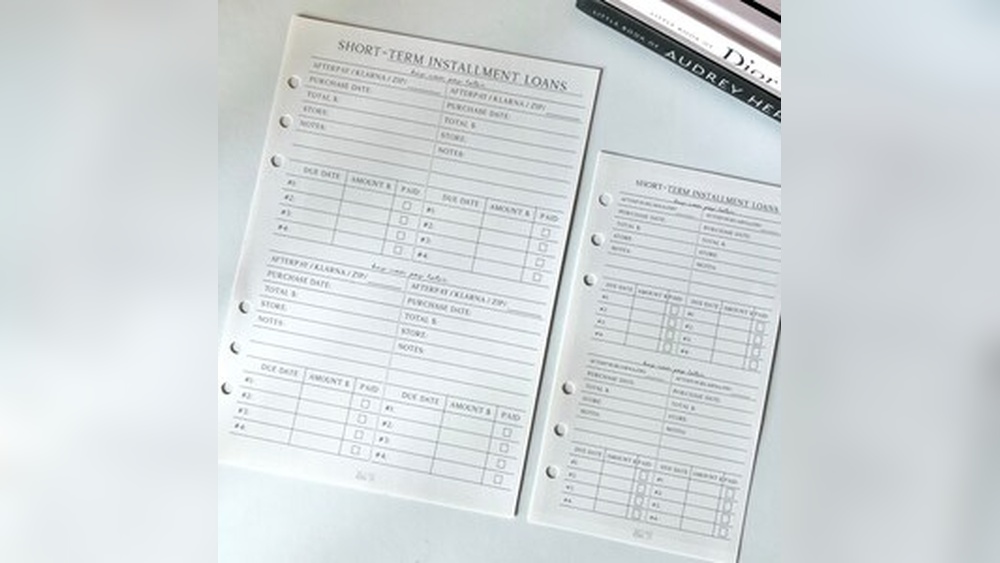
If you’ve taken out a business loan, understanding your repayment schedule is key to managing your finances smoothly. Knowing exactly when and how much you need to pay helps you avoid surprises and keeps your business running without cash flow hiccups.
Whether your loan requires monthly payments or a different plan, your repayment schedule is your roadmap to staying on track. You’ll learn how business loan repayment schedules work, why they matter, and how to use them to your advantage. Keep reading to take control of your loan and protect your business’s financial health.
Types Of Business Loans
Short-term loans usually last less than a year. They have higher interest rates but quick repayment. Long-term loans can extend up to 10 years or more. These loans offer lower monthly payments but accumulate more interest over time.
Secured loans require collateral like property or equipment. They often have lower interest rates. Unsecured loans do not need collateral but have higher rates. Approval is stricter for unsecured loans because of the risk.
SBA loans are backed by the U.S. Small Business Administration. They offer lower interest rates and longer repayment terms. These loans help businesses that might not qualify for traditional loans. SBA loans also have flexible requirements and protect lenders, making approval easier.
Repayment Frequency Options
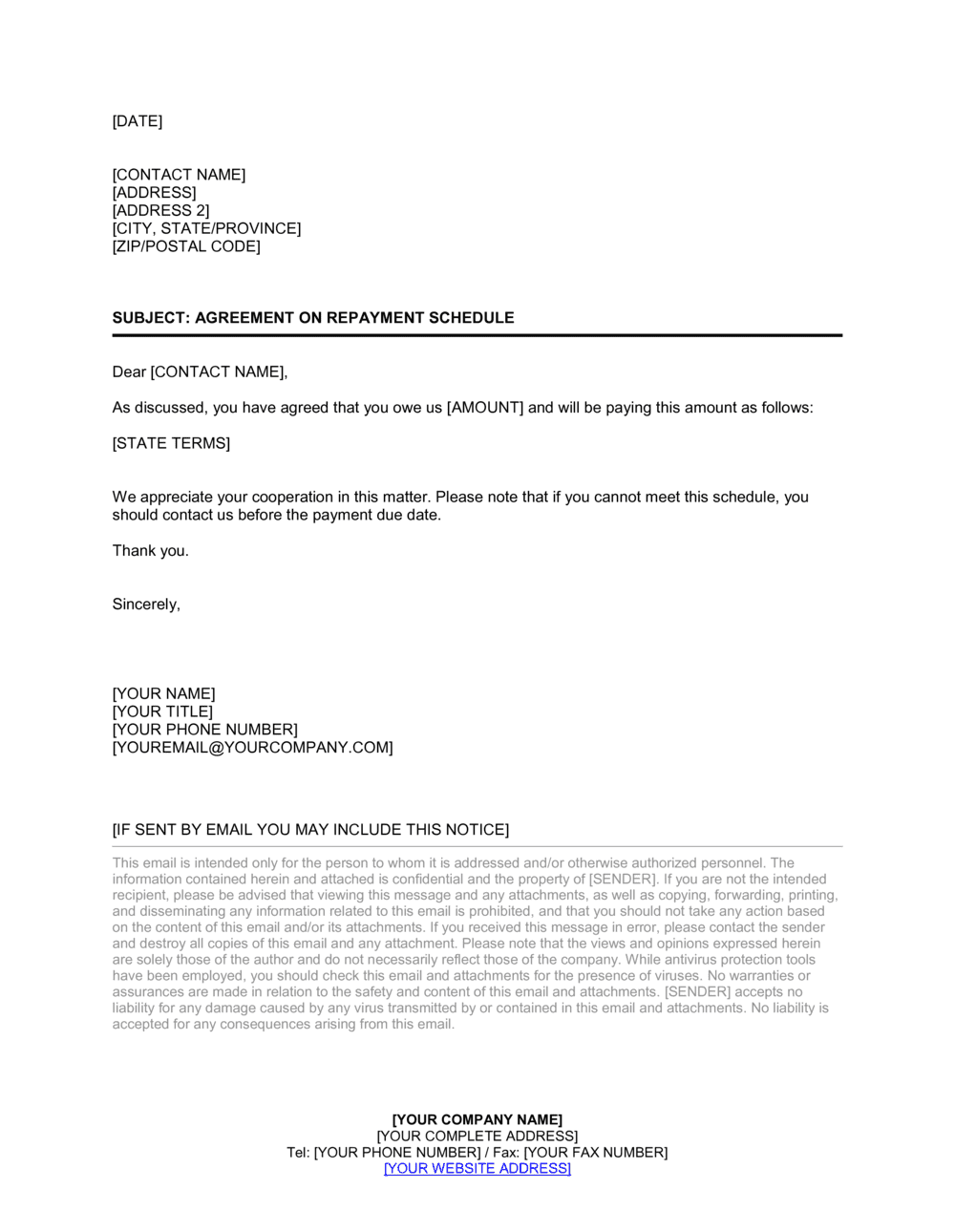
Monthly payments are the most common repayment option for business loans. They offer a fixed schedule, making it easier to plan your budget. Payments usually include both principal and interest. This option helps maintain steady cash flow.
Weekly and daily repayments allow for smaller, more frequent payments. This can ease pressure on your cash flow. Businesses with irregular income may find this helpful. It can reduce the total interest paid over time.
Interest-only payment plans require paying just the interest for a set period. This lowers initial payments, giving more time to grow the business. After this period, payments increase as you start repaying the principal. This option suits businesses expecting higher future income.
Components Of A Repayment Schedule
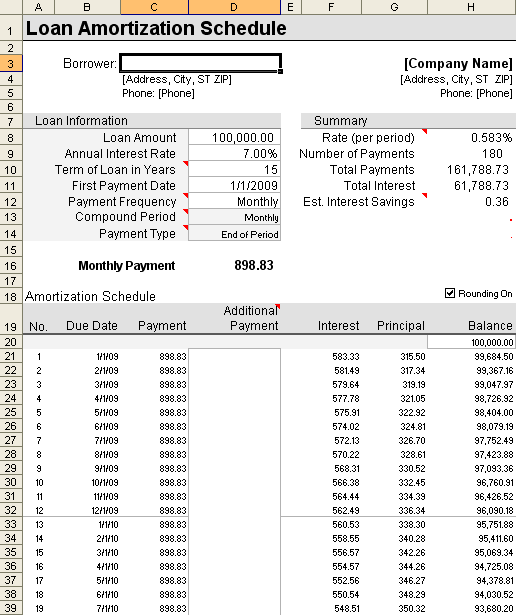
Principal and Interest Breakdown: A repayment schedule shows the part of each payment that goes to the principal and the part that covers the interest. Early payments mostly cover interest. Over time, more goes to reduce the principal. This helps you see how your loan balance decreases.
Origination Fees and Additional Costs: Some loans include origination fees or other costs. These fees may be added to your loan or paid upfront. They increase the total amount you owe. Always check your schedule for any extra charges.
Amortization Explained: Amortization means paying off your loan in regular installments. Each payment reduces the loan balance and pays interest. The schedule shows how long it will take to finish paying. It helps plan your finances clearly.

Using Loan Calculators
Loan calculators help with estimating monthly payments easily. Enter the loan amount, interest rate, and term to get quick results. This helps plan your budget well.
Tracking repayment progress is simple with these tools. They show how much you have paid and the remaining balance. You can see how much interest and principal you still owe.
Comparing loan scenarios lets you choose the best option. Change terms, rates, or amounts to see different monthly payments. This helps pick a loan that fits your needs and budget.
Managing Your Repayment
Budgeting for loan payments means setting aside money each month. Track your income and expenses carefully. Pay your loan before the due date to avoid extra fees. Keep a buffer for unexpected costs. Use a simple spreadsheet or app to help you manage your budget.
Handling early repayments can save money on interest. Check with your lender if there are any fees for paying early. Sometimes, paying more than the monthly amount helps reduce the loan faster. Early payments lower your total debt and shorten the loan term.
Dealing with payment delays requires communication with your lender. Contact them immediately if you cannot pay on time. Some lenders offer grace periods or payment plans. Avoid ignoring the problem to protect your credit score. Plan a new schedule to catch up on missed payments.
Tips For Mastering Finances
Maintaining cash flow is vital for timely loan repayments. Keep track of all income and expenses. Set aside funds regularly for loan payments to avoid surprises. Use simple budgeting tools to monitor your cash flow. Keep a buffer for unexpected costs. This helps keep your business stable and payments on time.
Negotiating loan terms can save money. Ask for flexible payment schedules or lower interest rates. Speak clearly about your needs with lenders. Early repayment options or payment holidays may be possible. Good communication can make loan terms easier to manage.
Planning for future financing means preparing ahead. Build a good credit history by paying loans on time. Keep financial records organized for loan applications. Know your borrowing needs and timeline. This makes it easier to get loans when needed.
Frequently Asked Questions
What Is The Payment On A $1,000,000 Business Loan?
The payment on a $1,000,000 business loan depends on interest rate and term. Monthly payments typically range widely. Use a loan calculator for exact amounts.
How Soon Do You Pay Back A Business Loan?
Business loans typically require monthly repayments over a set term, usually ranging from 6 months to 5 years. Some loans allow weekly or daily payments. Repayment schedules vary by lender and loan type. Use a loan calculator to estimate your specific repayment timeline and amounts.
How Much Do You Pay A Month For A $100,000 Loan?
Monthly payments on a $100,000 loan depend on interest rate and term. For example, a 5% rate over 10 years costs about $1,060 per month. Use a loan calculator for precise amounts based on your loan’s terms.
How Much Is The Monthly Payment On A $50,000 Business Loan?
Monthly payments on a $50,000 business loan depend on interest rates and loan terms. Use a loan calculator for precise estimates.
Conclusion
Understanding your business loan repayment schedule helps you plan finances better. Clear knowledge of payment dates avoids missed deadlines and extra fees. Tracking your repayments keeps your business credit healthy and trustworthy. Use tools like loan calculators to see monthly payments and interest.
Staying organized reduces stress and supports smooth business operations. Manage your loan well to focus more on growing your business.
Read More
- Loan Consolidation Planning Tool: Simplify Debt & Save Money Fast
- Home Loan Repayment Tracker: Simplify and Save Big Today
- Debt Payoff Ledger Template: Simplify Your Path to Freedom
- Mortgage Balance Payoff Plan: Smart Strategies to Save Fast
- Loan Management Ledger Tool: Streamline Your Loan Tracking Today
- Debt Snowball Calculator Online: Simplify Your Debt Payoff Today
- Installment Loan Payment Tracker: Simplify & Manage Your Debt Easily
- Commercial Finance Ledger: Master Your Business Finances Today
- Small Business Funding Tracker: Ultimate Guide to Boost Your Capital
- Equipment Loan Payment Estimate: Calculate Your Savings Today