
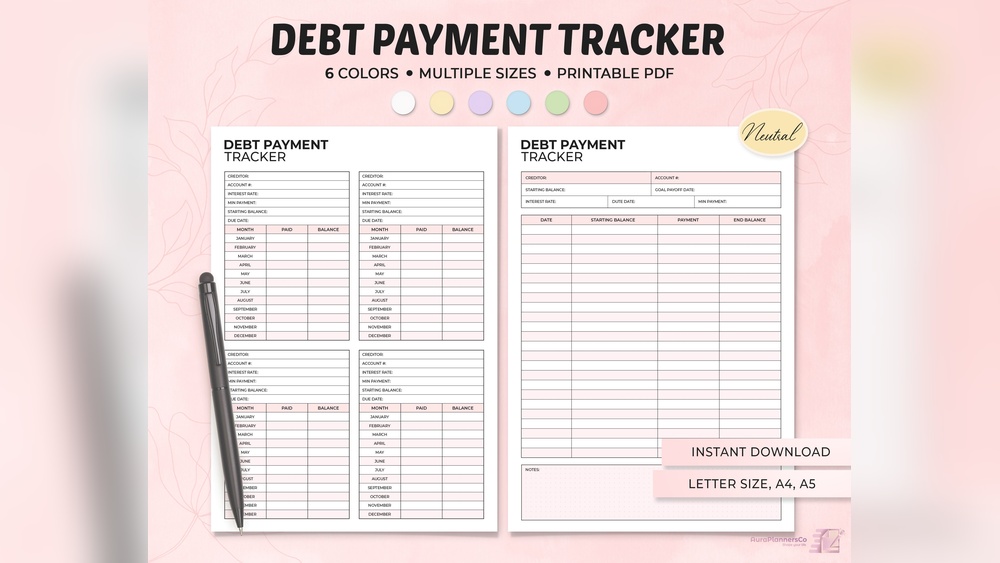
Are you tired of feeling overwhelmed by your monthly debt payments? Keeping track of multiple debts can be confusing and stressful, making it hard to see your progress or plan your next move.
That’s where a Monthly Debt Payment Tracker comes in. By organizing your payments, balances, and due dates in one place, you gain clear control over your finances. Imagine knowing exactly how much you owe, when payments are due, and how each payment brings you closer to being debt-free.
You’ll discover simple, effective ways to set up your own tracker and stay motivated on your journey to financial freedom. Ready to take charge of your money and reduce your debt faster? Keep reading to learn how.

Benefits Of Monthly Debt Tracking
Tracking monthly debt payments helps you stay on budget by showing exactly where your money goes each month. It keeps you aware of due dates and amounts, so no payments get missed. This habit helps avoid extra fees and keeps your finances in order.
Identifying savings opportunities becomes easier with regular debt tracking. You can spot high-interest debts to pay off faster and find chances to refinance or negotiate better rates. This can save you money and reduce the total debt faster.
Reducing financial stress comes from knowing your debt situation clearly. Monthly tracking creates a plan and shows progress. Seeing debts shrink each month gives a sense of control and peace of mind.
Choosing A Debt Tracker
Choosing between a spreadsheet and an app depends on your needs. Spreadsheets offer customization and control. You can track your debts exactly how you want. Apps provide automatic updates and reminders. They can sync across devices for easy access.
Look for key features like:
- Simple input for debts and payments
- Clear visual progress (charts or graphs)
- Ability to handle multiple debts
- Notifications or reminders for due dates
- Support for different payoff methods (snowball, avalanche)
Choosing between free and paid depends on your budget and needs. Free options usually cover basics but may have ads or limits. Paid versions often offer extra tools, detailed reports, and no ads.
Setting Up Your Debt Tracker
Start by gathering all debt information. List each debt’s name, total balance, and creditor. Check recent statements for accuracy.
Next, input the balances and interest rates into your tracker. Use a simple table or spreadsheet for clarity. Update this monthly to see changes.
Schedule your monthly payments carefully. Note due dates and minimum amounts. Plan extra payments if possible to reduce debt faster.
Popular Tracking Methods
The Debt Snowball Technique focuses on paying the smallest debt first. After it is paid off, the money goes to the next smallest debt. This method builds motivation quickly as debts disappear one by one.
The Debt Avalanche Method targets debts with the highest interest rates first. This approach saves more money on interest over time. It requires patience but reduces total debt faster.
Hybrid Approaches combine both methods. Some pay off small debts first, then switch to high-interest debts. This balances quick wins with long-term savings.
Automating Your Tracker
Using formulas in spreadsheets helps track monthly debt payments easily. Simple formulas can add payments, calculate balances, and show totals automatically. This saves time and reduces mistakes.
Syncing with bank accounts allows your tracker to update payments without manual entry. Some apps and spreadsheet tools can connect directly to your bank. This keeps your data current and accurate.
Setting payment reminders prevents missed due dates. You can use calendar alerts or spreadsheet notifications. These reminders help keep your payments on time and avoid extra fees.

Analyzing Progress
Visual charts and graphs help track your debt payment progress easily. They show how much debt you paid each month and how much remains. This makes it simple to understand your financial path.
Monthly summary reports give a clear view of payments made, interest paid, and remaining balances. These reports help spot patterns and areas to improve. Keeping a monthly record keeps you motivated.
Adjusting payment plans is key when circumstances change. You can increase payments if extra money is available or reduce them temporarily if needed. Flexibility keeps your plan realistic and doable.
Tips To Maximize Savings
Cutting unnecessary expenses helps save money each month. Skip buying things you don’t really need. Small daily savings add up quickly. Review your subscriptions and cancel unused ones. Cook meals at home instead of eating out.
Boosting income streams makes paying debt easier. Consider part-time jobs or freelance work. Sell items you no longer use. Extra money can go directly to debt payments. Even small earnings help reduce debt faster.
Avoiding new debt keeps your budget on track. Use cash or debit cards instead of credit. Say no to impulse purchases. Plan purchases carefully and save before buying. Staying out of new debt means less stress later.
Common Challenges And Solutions
Sticking to payments can be tough. Setting reminders helps avoid missed dates. Making payments automatic reduces stress and forgetfulness. Creating a budget with clear priorities keeps money focused on debt.
Unexpected expenses often disrupt payment plans. Building a small emergency fund cushions sudden costs. Adjusting the budget temporarily can keep payments on track. Prioritizing essentials allows flexibility without missing debt payments.
Handling multiple creditors requires good organization. Listing all debts with amounts and due dates prevents confusion. Communicating with creditors can sometimes lead to better payment terms. Using a single tracker to monitor all debts simplifies management.
Resources And Tools
Recommended apps like Debt Payoff Planner help track monthly debt payments easily. They provide clear steps and show progress visually. Some apps even offer charts to see your debt reduction over time.
Templates in Google Sheets or Excel let you list creditors, interest rates, and payments. These help compare different payoff plans. Many templates include automatic calculations for quick updates.
| Tool Type | Features | Best For |
|---|---|---|
| Apps | Step-by-step plans, progress charts, reminders | Users wanting mobile access and alerts |
| Templates | Customizable spreadsheets, automatic calculations | People who prefer manual entry and control |
| Online Calculators | Quick payoff estimates, snowball/avalanche methods | Those needing fast, simple calculations |
Financial advice services offer guidance tailored to personal situations. They help create realistic budgets and payoff plans. Many provide free consultations or low-cost options.
Frequently Asked Questions
What Is A Monthly Debt Payment Tracker?
A Monthly Debt Payment Tracker helps you monitor your debt payments each month. It organizes balances, due dates, and amounts to keep you on track. This tool improves financial discipline and speeds up debt payoff by providing clear payment visibility.
How Does A Debt Tracker Improve Money Management?
A Debt Tracker shows all debts in one place, making it easier to plan payments. It helps avoid missed payments and reduces interest costs. This organized overview boosts budgeting skills and motivates faster debt elimination.
Can I Use A Spreadsheet For Debt Tracking?
Yes, spreadsheets like Excel or Google Sheets are excellent for debt tracking. They allow customization, automatic calculations, and progress visualization. Using a spreadsheet saves money and offers flexibility in managing your debt payoff plan.
What Debts Should I Include In The Tracker?
Include all debts with monthly payments, such as credit cards, loans, and mortgages. Recording each debt’s balance, interest rate, and due date ensures accurate tracking. This comprehensive approach helps prioritize payments effectively.
Conclusion
Tracking your monthly debt payments helps you stay on top of finances. It makes it easier to see progress and adjust your budget. Using a debt payment tracker reduces stress and encourages smart spending. Small, regular payments add up and bring you closer to being debt-free.
Consistency matters more than speed in managing debt well. Start today and watch your financial situation improve steadily. Your future self will thank you for the effort you put in now.
Read More
- Loan Consolidation Planning Tool: Simplify Debt & Save Money Fast
- Home Loan Repayment Tracker: Simplify and Save Big Today
- Debt Payoff Ledger Template: Simplify Your Path to Freedom
- Mortgage Balance Payoff Plan: Smart Strategies to Save Fast
- Loan Management Ledger Tool: Streamline Your Loan Tracking Today
- Debt Snowball Calculator Online: Simplify Your Debt Payoff Today
- Installment Loan Payment Tracker: Simplify & Manage Your Debt Easily
- Business Loan Repayment Schedule: Master Your Finances Easily
- Commercial Finance Ledger: Master Your Business Finances Today
- Small Business Funding Tracker: Ultimate Guide to Boost Your Capital