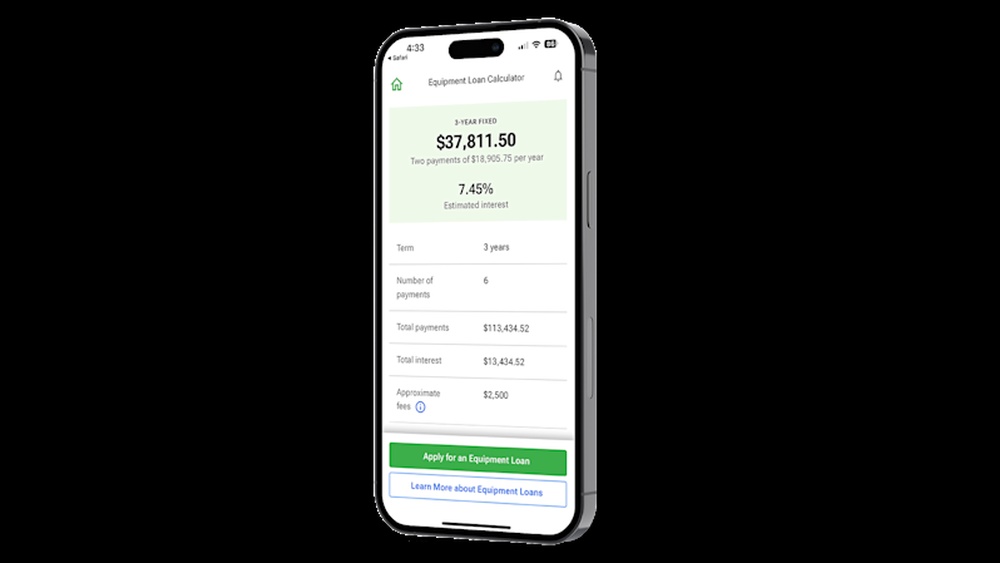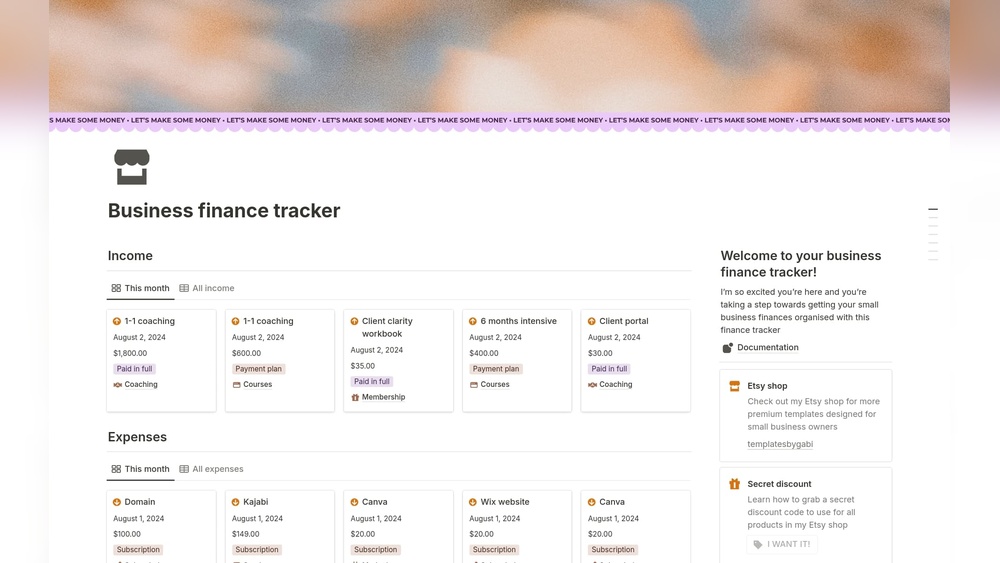
Managing your small business funding can feel overwhelming, especially when you have multiple loans, grants, or lines of credit to keep track of. But what if you had a simple, clear way to monitor every dollar coming in and going out?
That’s where a Small Business Funding Tracker becomes your best ally. It helps you stay organized, avoid missed payments, and plan for growth with confidence. If you want to take control of your business finances and make smarter funding decisions, keep reading.
This guide will show you exactly how to track your funding like a pro and keep your business on the path to success.
Funding Sources
Loans and lines of credit provide flexible cash flow support. Loans have fixed payments, while lines of credit allow borrowing up to a limit.
Grants and subsidies offer free money, but require specific qualifications and applications. They help reduce startup or operating costs.
Angel investors and venture capital fund businesses in exchange for ownership shares. They often bring expertise and networking opportunities.
Crowdfunding options let many people invest small amounts online. This builds community support and raises funds without giving up much control.
| Funding Source | Key Feature | Best For |
|---|---|---|
| Loans and Lines of Credit | Borrow fixed or flexible amounts | Cash flow management |
| Grants and Subsidies | Free money with conditions | Specific projects or startups |
| Angel Investors & Venture Capital | Equity funding with advice | High-growth potential businesses |
| Crowdfunding | Small investments from many | Community-driven products |

Expense Tracking
Essential expense categories include rent, utilities, salaries, and supplies. Tracking these helps control your budget.
Other important expenses are marketing, travel, and equipment costs. Keep all receipts for accuracy.
Tools like spreadsheets, apps, and accounting software simplify expense tracking. They save time and reduce errors.
Popular apps offer easy input and report generation. Choose one that fits your business size and needs.
| Tool Type | Features | Benefits |
|---|---|---|
| Spreadsheet | Manual entry, customizable | Low cost, flexible |
| Expense Tracker Apps | Receipts scan, mobile access | Easy use, fast data entry |
| Accounting Software | Automatic reports, integration | Comprehensive, saves time |
Integrating expense data with funding helps plan cash flow. It shows how much money is needed and when.
Updated expense records improve loan applications and investor confidence. Accuracy matters.
Financial Management Tools
Expense trackers help small businesses monitor spending and stay organized. They simplify recording costs like supplies, rent, and wages. Many trackers sync with popular accounting software such as QuickBooks or Xero. This connection saves time by updating financial records automatically.
Templates for funding trackers allow you to customize fields based on your business needs. You can track loan amounts, repayment schedules, and funding sources in one place. This helps keep your funding details clear and easy to access.
| Feature | Benefit |
|---|---|
| Expense Tracker Apps | Record and categorize daily expenses quickly |
| Accounting Software Integration | Automatic syncing with financial reports |
| Customizable Templates | Tailor tracking to your business funding needs |
Cash Flow Projections
Balance sheets show your business’s financial health clearly. They list assets, liabilities, and equity. Use them to forecast cash flow and plan your spending.
Estimate your revenue by looking at past sales and market trends. Track your expenses carefully, including rent, salaries, and supplies. This helps predict how much money will come in and go out.
Adjust your funding plans based on these projections. If expenses grow, consider applying for a loan or cutting costs. If revenue looks strong, you might delay seeking extra funds.
| Step | Action | Purpose |
|---|---|---|
| 1 | Review balance sheet | Understand current finances |
| 2 | Forecast revenue and expenses | Plan for future cash flow |
| 3 | Adjust funding strategy | Match funding to needs |
Tracking And Monitoring
Setting up a funding tracker system helps keep your finances clear. Use simple spreadsheets or apps to record loans and grants. Track dates, amounts, and payment schedules carefully. Update your tracker regularly to avoid missed payments.
Monitoring loan and grant payments ensures you meet all deadlines. Check each payment against your tracker. Note any late or partial payments immediately. This practice helps maintain a good credit record and avoid penalties.
Analyzing funding impact on business growth shows how money helps your business. Compare sales and expenses before and after funding. Look for changes in hiring, marketing, or equipment purchases. This analysis guides better financial decisions.

Building Capital
Building capital requires smart strategies to attract more funding. Keep your financial records healthy by updating expenses and income regularly. This helps lenders and investors trust your business.
Use a clear funding plan to show how money will help growth. Target sources like banks, grants, and investors. Each has different rules and benefits.
Leverage funding wisely for expansion. Spend on things that increase sales or cut costs. Avoid risks that hurt your cash flow.
| Strategy | Key Point |
|---|---|
| Maintain Records | Track all income and expenses accurately |
| Funding Sources | Explore loans, grants, and investors |
| Use Funds | Invest in growth and efficiency |
Legal And Compliance
Funding regulations require small businesses to follow specific rules. These rules protect both the business and its investors. Keeping up with legal requirements helps avoid fines and penalties. Every loan or grant may have different terms and conditions. Knowing these details is key to staying compliant.
Documentation and reporting are vital for transparent funding management. Keep all receipts, contracts, and financial statements organized. Regular reports show how funds are spent and help track progress. Clear records also make it easier during audits or reviews.
Protecting your business finances means separating personal and business accounts. Use dedicated bank accounts and keep detailed records. Monitor your cash flow closely to avoid overspending. Always update your financial plans as your business grows.
Frequently Asked Questions
How Do I Keep Track Of My Small Business Finances?
Use accounting software or spreadsheets to record income, expenses, and invoices regularly. Review financial reports monthly to monitor cash flow and profits. Separate personal and business accounts to simplify tracking. Maintain receipts and documents for accuracy and tax purposes. Consistent tracking helps manage budgets and plan growth.
What Is The Best Expense Tracker For Small Business?
The best expense tracker for small businesses is QuickBooks Online. It offers easy tax deduction spotting and integrates with many tools. FreshBooks is affordable and efficient. Zoho Expense provides a free option, while Xero excels in bill management. Choose based on your specific needs.
What Is The Best Source Of Funding For Small Businesses?
The best funding source depends on business needs. Common options include personal savings, bank loans, angel investors, and government grants. Choose based on interest rates, repayment terms, and business stage.
Can A New Llc Get Funding?
Yes, new LLCs can get funding through small business loans, grants, or investors. Building a strong business plan boosts approval chances.
Conclusion
Tracking your small business funding keeps your finances clear and organized. Use simple tools to record loans, grants, and expenses. Staying updated helps you plan better and avoid surprises. Watch your cash flow closely to make smart decisions. Regular tracking saves time and reduces stress.
Keep your business goals in mind while managing funds. Consistent effort leads to smoother operations and growth. Start tracking today and build a strong financial foundation.
Read More
- Loan Consolidation Planning Tool: Simplify Debt & Save Money Fast
- Home Loan Repayment Tracker: Simplify and Save Big Today
- Debt Payoff Ledger Template: Simplify Your Path to Freedom
- Mortgage Balance Payoff Plan: Smart Strategies to Save Fast
- Loan Management Ledger Tool: Streamline Your Loan Tracking Today
- Debt Snowball Calculator Online: Simplify Your Debt Payoff Today
- Installment Loan Payment Tracker: Simplify & Manage Your Debt Easily
- Business Loan Repayment Schedule: Master Your Finances Easily
- Commercial Finance Ledger: Master Your Business Finances Today
- Equipment Loan Payment Estimate: Calculate Your Savings Today