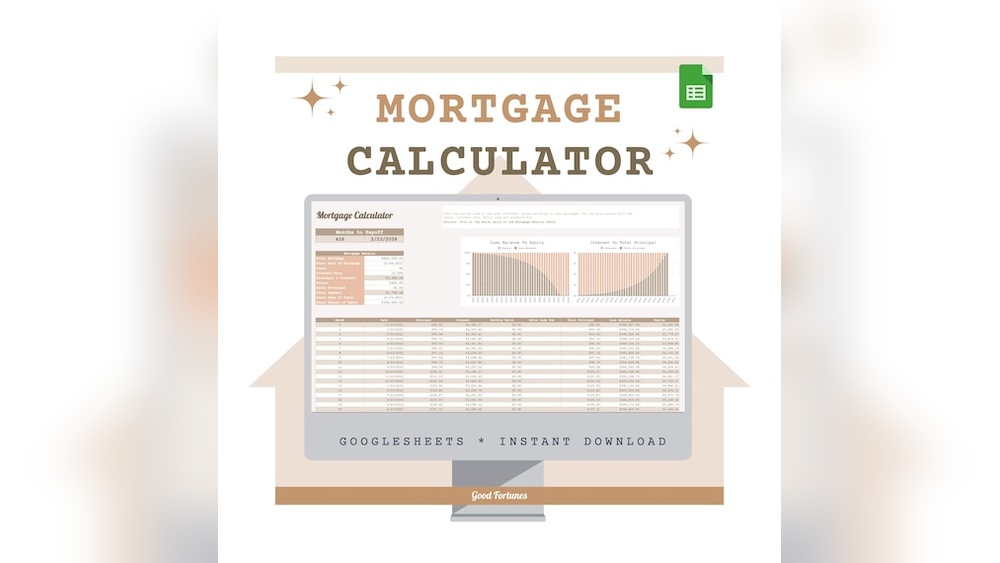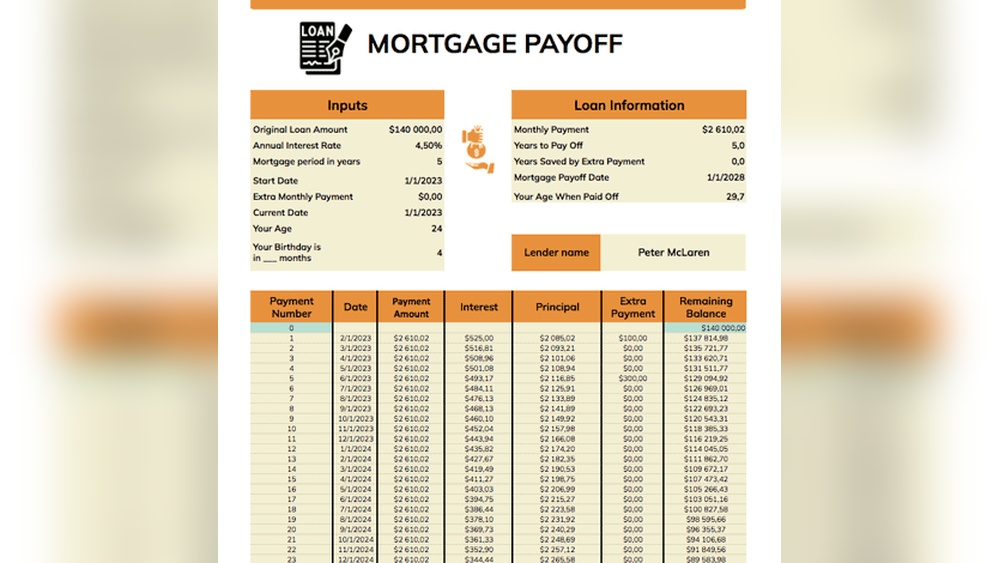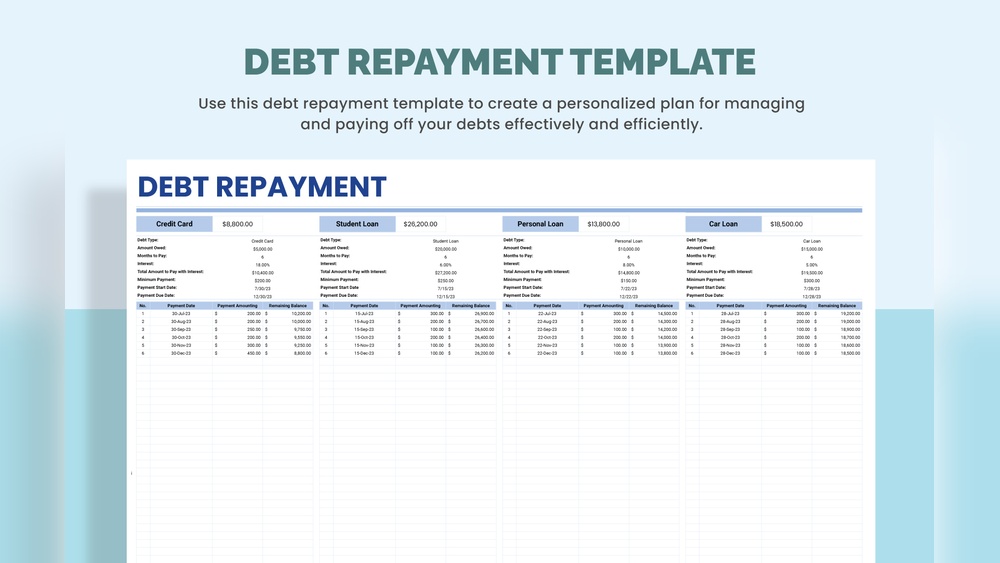
Struggling to keep track of your debts and unsure when you’ll finally be debt-free? You’re not alone.
Managing multiple loans, credit cards, or other debts can quickly become overwhelming without a clear plan. That’s where a Debt Payoff Ledger Template comes in—your personal tool to organize payments, monitor balances, and map out your path to financial freedom.
Imagine seeing your progress clearly, feeling motivated as your debt shrinks month by month. You’ll discover how using a simple, easy-to-use ledger template can change the way you tackle debt, giving you control and confidence. Ready to take charge of your finances and watch your debt disappear? Keep reading to find out exactly how to get started.

Benefits Of A Debt Payoff Ledger
A debt payoff ledger helps by tracking your debt progress clearly. You can see how much you owe and how much you pay each month. This keeps your goals in sight and makes paying off debt easier.
Staying motivated and accountable is simpler with a ledger. Watching your debts shrink feels good. It pushes you to keep paying on time and avoid new debt.
Organizing multiple debts in one place helps avoid confusion. You can list each debt with its balance, interest rate, and due dates. This way, you know which debts to focus on first.
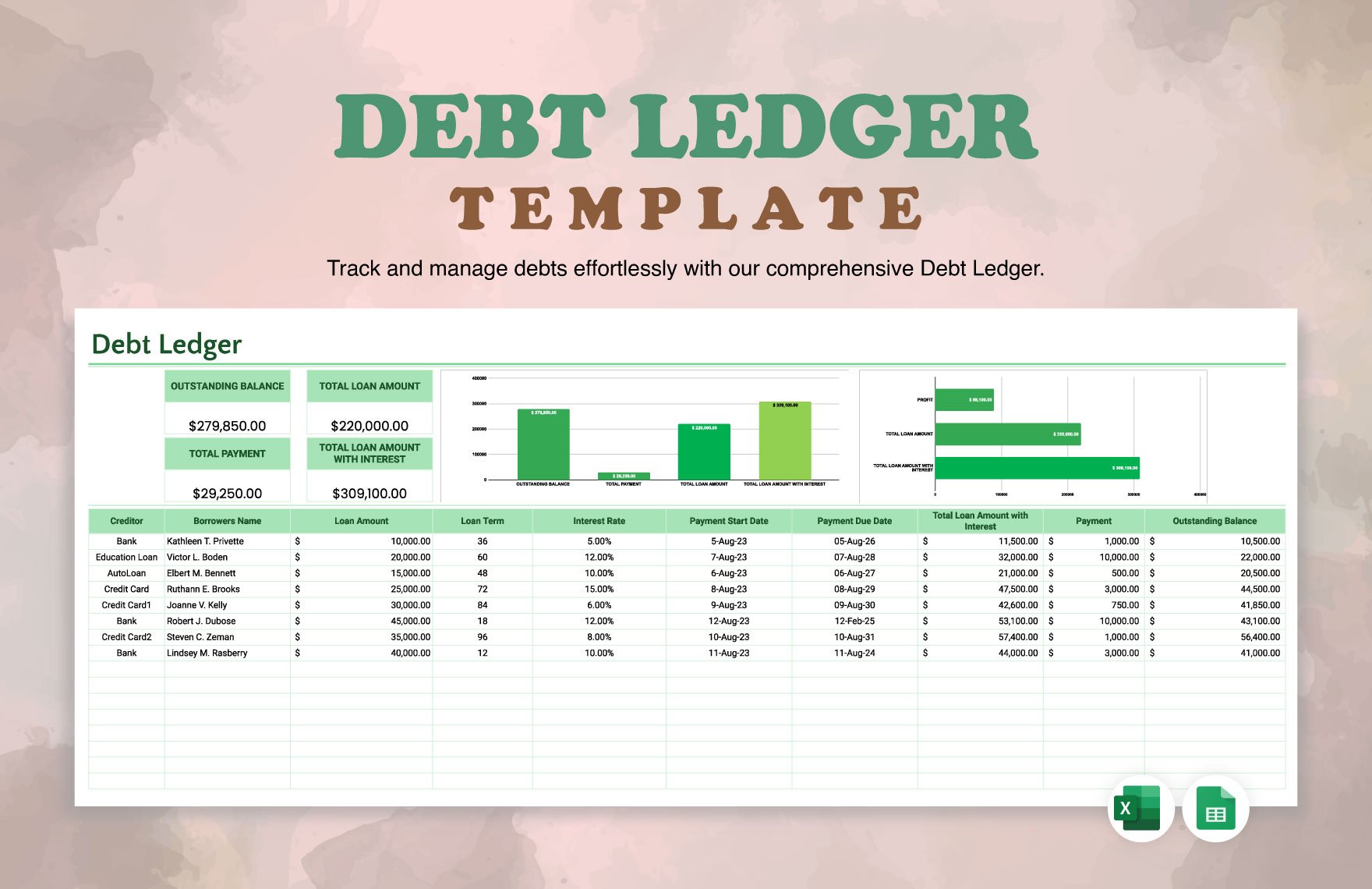
Key Components Of A Debt Payoff Ledger
Listing creditors and debts helps you see who you owe and how much. Write down each creditor’s name and the total debt amount. This makes it easier to plan your payments.
Recording interest rates and terms shows the cost of each debt. Note the interest rate and any special terms. This helps prioritize which debts to pay first.
Scheduling payments means setting dates to pay each debt. Keep a calendar or list of due dates. This stops missed payments and extra fees.
Monitoring balances tracks how much you still owe. Update your ledger after each payment. Watching your balance shrink motivates you to keep going.
Setting monthly obligations keeps your budget clear. Add up all payments due each month. Knowing this helps avoid spending money needed for debts.
Choosing The Right Template
Free templates are easy to find online and cost nothing. They work well for basic tracking and simple debt plans. Many free options exist for Google Sheets and Excel. These templates often include columns for debt name, balance, interest rate, and payment dates.
Paid templates offer more features and customization. They may include charts, reminders, and advanced formulas. Some paid tools also provide customer support for help.
| Tool | Key Features | Best For |
|---|---|---|
| Google Sheets | Free, cloud-based, easy sharing | Simple tracking and collaboration |
| Excel | Powerful formulas, offline access | Users comfortable with spreadsheets |
| Notion | All-in-one workspace, customizable | Tracking multiple debts in one place |
Creating Your Custom Ledger
Start by creating columns for debt name, original amount, interest rate, minimum payment, and current balance. Add a payment column to record each payment made. Use formulas to subtract payments from the current balance automatically. This helps track your progress clearly.
Set formulas like =previous_balance - payment to update balances. Calculate the total debt and remaining balance with simple sums. This automation saves time and reduces errors.
| Method | Description | How to Use |
|---|---|---|
| Debt Snowball | Pay off smallest debts first | Order debts by balance, pay minimum on others |
| Debt Avalanche | Pay off highest interest debts first | Order debts by interest rate, pay minimum on others |
Include extra columns to mark which method you use. Adjust payment amounts based on the chosen strategy. This helps stay focused and motivated to clear debts faster.
Using Your Ledger Effectively
Regularly update payments and balances in your ledger. Enter each payment as soon as you make it. This keeps your records accurate and current. Check the remaining balance after every update to see real progress.
Adjust your debt payoff strategies based on what you see. If one debt is not reducing fast enough, consider paying more on it. Or focus on debts with higher interest rates first. This helps save money and time.
Visual charts or graphs can help you see your debt shrinking over time. Use your ledger’s tools to create these visuals. They motivate you by showing clear progress. Watching debts get smaller feels good and keeps you focused.

Tips To Maximize Debt Payoff Success
Focus on high-interest debts first. Paying these off reduces total interest paid. It helps clear debt faster. List debts from highest to lowest interest rate. Allocate extra money to the highest interest debt. Keep minimum payments on other debts. This method saves money over time.
Make payments regularly and on time. Consistency avoids late fees and penalty rates. Set up automatic payments to stay on track. Even small extra payments help reduce principal faster. Keep a record of each payment in your ledger. This builds good habits and shows progress.
Celebrate small wins along the way. Paying off any debt, big or small, is progress. Rewards keep motivation high. Mark milestones in your ledger to see how far you have come. This encourages you to keep going and finish strong.
Common Mistakes To Avoid
Ignoring small debts can slow down your debt payoff progress. Even tiny amounts add up over time. Always include all debts in your ledger, no matter the size.
Failing to update the ledger regularly causes inaccurate balances. Track every payment and new charges immediately. This keeps your payoff plan clear and reliable.
Overlooking fees and interest changes leads to unexpected debt growth. Check your statements often for updates. Adjust your ledger to reflect new fees or interest rates.
Frequently Asked Questions
How Do I Create A Debt Payoff Spreadsheet?
List all debts with creditor names, balances, interest rates, and minimum payments. Set payment dates and amounts. Use formulas to track balances and payoff progress. Update monthly to monitor reductions. Use free templates in Excel or Google Sheets for easier setup and calculations.
Does Google Have A Ledger Template?
Google does not offer a built-in ledger template. Users create ledgers using Google Sheets or third-party templates.
How To Pay Off $30,000 In Debt In 1 Year?
Create a strict budget, increase income, and cut expenses. Use debt snowball or avalanche methods. Track progress with a spreadsheet. Prioritize high-interest debts and make extra payments monthly. Stay disciplined and avoid new debt to pay off $30,000 within one year.
Can I Use A Spreadsheet As A Ledger?
Yes, you can use a spreadsheet as a ledger. It helps track transactions, balances, and payment schedules easily.
Conclusion
Using a debt payoff ledger template helps you see your progress clearly. It keeps all debt details in one place for easy tracking. Regular updates make it simpler to stay on your payment schedule. Watching balances go down motivates you to keep paying off debt.
This simple tool supports better money habits and less stress. Start using a ledger today to manage your debts better. Your path to financial freedom becomes clearer and more organized.
Read More
- Loan Consolidation Planning Tool: Simplify Debt & Save Money Fast
- Home Loan Repayment Tracker: Simplify and Save Big Today
- Mortgage Balance Payoff Plan: Smart Strategies to Save Fast
- Loan Management Ledger Tool: Streamline Your Loan Tracking Today
- Debt Snowball Calculator Online: Simplify Your Debt Payoff Today
- Installment Loan Payment Tracker: Simplify & Manage Your Debt Easily
- Business Loan Repayment Schedule: Master Your Finances Easily
- Commercial Finance Ledger: Master Your Business Finances Today
- Small Business Funding Tracker: Ultimate Guide to Boost Your Capital
- Equipment Loan Payment Estimate: Calculate Your Savings Today